
女人我最大
비드래프트 논문 하나가 만든 삼단 구조…연구·AX-RAY·국가 보안 AI_我的网站

A | 엔비디아 Nemotron-H·자이프라 Zamba2서 인과 결함 발견, 순전파 2회로 결함 층 특정해 192건 전부 탐지발견한 진단 기술을 자사 AX-RAY로 제품화, 정부 보안 특화 파운데이션 모델 사업 핵심 검증 기술로 연결 비드래프트. 사진=비드래프트논문 한 편에서 시작된 연구 성과가 제품을 거쳐 국가 사업으로 이어지는 구조가 만들어졌다. AI 딥테크 기업 비드래프트(대표 김민식)가 공개 AI 모델의 구조적 결함을 찾아낸 자체 연구를 AI 안전성 진단 시스템 'AX-RAY'로 발전시키고, 이를 정부의 '사이버 보안 특화 인공지능 파운데이션 모델 개발' 사업 핵심 검증 기술로 제시하는 전략을 펴고 있다.출발점은 비드래프트가 지난 24일 arXiv에 공개한 논문 'The Mask Is Not the Model: Auditing Prefix Invariance in Attention, State-Space, and Hybrid Sequence Models'다. 연구진은 자기회귀 AI 모델이 원칙적으로 볼 수 없는 미래 토큰의 정보를 앞선 계산에 사용하는 '인과 누설'을 직접 판정하는 새로운 진단 방법을 제시했고, 이를 엔비디아의 Nemotron-H-8B와 자이프라의 Zamba2-1.2B에 적용해 두 모델의 PyTorch 실행 경로에서 실제 인과 누설을 확인했다.기존 검사 방식은 어텐션의 causal mask 정상 여부 확인에 주로 의존해왔지만, 최근 모델이 상태공간모델(SSM)·순환연산·합성곱·청크 스캔 등을 결합한 하이브리드 구조로 발전하면서 마스크가 정상이어도 다른 경로로 미래 정보가 유입될 가능성이 생겼다는 게 연구진의 지적이다. 새 방법은 마지막 위치만 다른 두 입력을 각각 한 번씩 순전파해 각 층의 앞부분 내부 표현 변화를 비교하는 방식으로, 학습이나 그래디언트 계산 없이 순전파 두 번만으로 인과성이 깨지는 층을 특정할 수 있다. 인위적으로 주입한 인과 결함 192건 실험에서 기존 마스크 점검은 이를 놓쳤지만, 새 방법은 192건 전부를 정확한 층 단위로 탐지해냈다. 비드래프트. 사진=비드래프트연구는 여기서 멈추지 않았다. 비드래프트는 오픈소스 라이브러리 transformers 5.7.0의 청크 스캔 구현을 코드 수준에서 비교해 입력·출력 청크 축 처리 방식의 차이를 먼저 짚어냈고, 실제 모델 검사에서 Zamba2-1.2B는 청크 크기 256부터, Nemotron-H-8B는 128부터 누설이 시작됨을 확인했다. Bamba-9B, Falcon-H1, Granite-4.0-H, Mamba2, RecurrentGemma 등에서는 같은 문제가 나타나지 않아 코드 분석 예측과 실제 결과가 정확히 맞아떨어졌다.이 발견이 중요한 것은 인과 누설이 성능 지표 자체를 왜곡할 수 있기 때문이다. 미래 정보가 현재 예측에 유입되면 다음 토큰 예측이 쉬워져 학습 손실과 혼란도(PPL)가 좋아 보일 수 있다는 게 회사 설명이다. 벤치마크 점수만으로는 인과 결함 여부를 뒤집을 수 없다는 것이 비드래프트의 입장이다.이렇게 확보한 진단 기술은 AX-RAY로 이어졌다. AX-RAY는 벤치마크 점수 확인을 넘어 실제 실행 코드와 모델 구조가 의도대로 작동하는지, 구조적으로 위험한 경로나 비정상적인 인과 의존성이 있는지를 계측하는 시스템이다. 외부 파운데이션 모델 도입 시 가중치뿐 아니라 구현 코드와 실행 환경까지 함께 사용된다는 점에서 이 같은 검증이 필요하다는 게 비드래프트의 판단이며, 관련 기술은 논문 공개 전 국내 특허 출원과 심사 청구를 마쳤다.비드래프트는 이를 발판으로 현재 정부 공모 사업인 '사이버 보안 특화 인공지능 파운데이션 모델 개발' 컨소시엄에 참여해 AX-RAY를 핵심 안전성 검증 기술로 제시하고 있다. 공격 탐지 능력이 뛰어난 모델을 만드는 것 못지않게, 모델 자체에 구조적 결함이나 예상하지 못한 위험경로가 없는지 검증하는 과정이 보안 특화 AI에서 중요하다는 것이 회사 측 설명이다. 단순한 AI 모델 개발사에 머물지 않고, 타 모델의 구현 정확성과 안전성을 독립적으로 검사하는 AI 검증 기술을 확보하는 것이 전략의 핵심이라는 얘기다.김민식 대표는 보안 파운데이션 모델이 성능 좋은 모델을 만드는 데서 끝나선 안 되며, 모델이 실행환경에서 설계된 인과구조를 지키는지, 구조적으로 숨겨진 결함이 없는지 검증할 수 있어야 한다고 밝혔다. “이번 논문은 AX-RAY가 단순한 정책 체크리스트나 정성적 레드팀 도구가 아니라 실제 코드와 실행 결과를 통해 AI의 구조적 안전성을 계측할 수 있다는 기술적 근거를 제시한 것”이라는 게 그의 설명이다.한편 비드래프트는 전 국민 대상 AI 서비스 구축 사업 '모두의 AI'에서도 이스트소프트 컨소시엄에 참여해 AI 모델 성능 최적화와 경량화를 담당하고 있으며, 모델 개발·최적화와 AX-RAY 기반 안전성 검증을 함께 확보해 성능·실행 효율·구조적 안전성을 하나의 기술 스택으로 구축한다는 계획이다.。
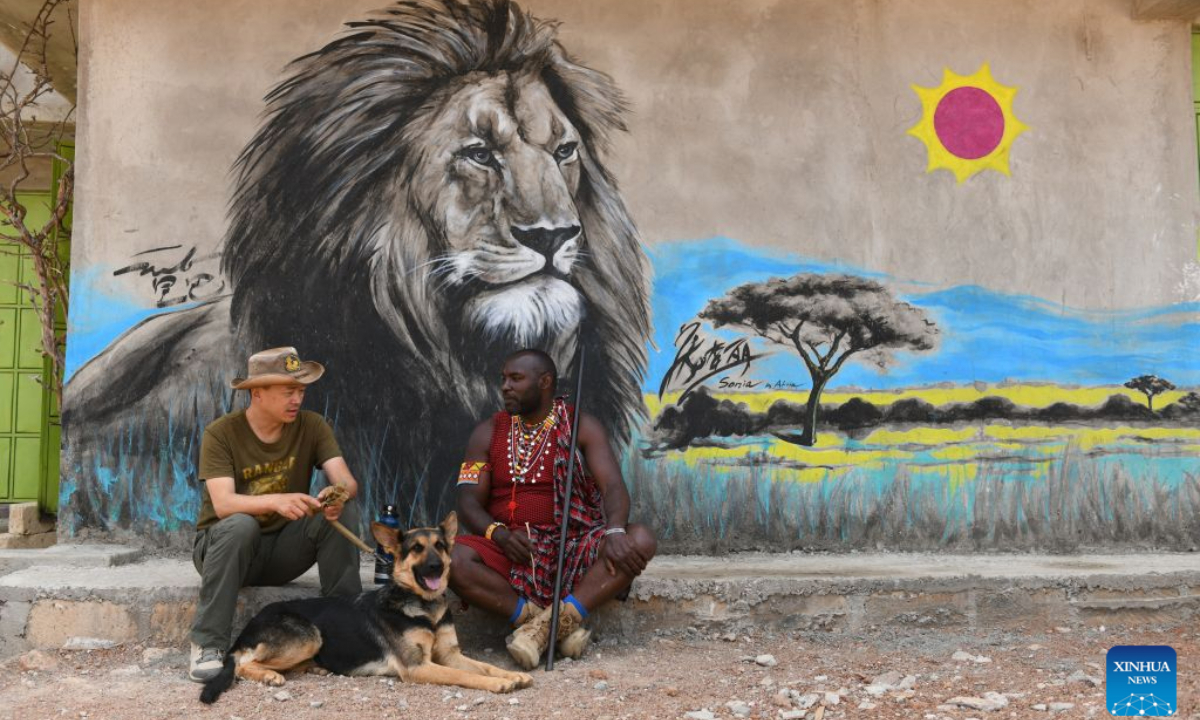
Among them is Chinese conservationist Zhuo Qiang, nicknamed "Simba," the Swahili word for lion. For him, this early-morning routine is driven by a broader mission to achieve human-wildlife coexistence.
In 2010, Zhuo left his job in China at the age of 37 and embarked on a less-traveled path: pursuing wildlife conservation in Kenya.
Without professional training in wildlife conservation, he found himself in a territory then dominated by Western organizations and local practitioners.
But Zhuo decided to stay. "I wanted to prove that Chinese people could also do wildlife conservation," he said.
Initially, Zhuo saw conservation largely through the lens of wildlife science: working in the field, studying animals and collecting data.
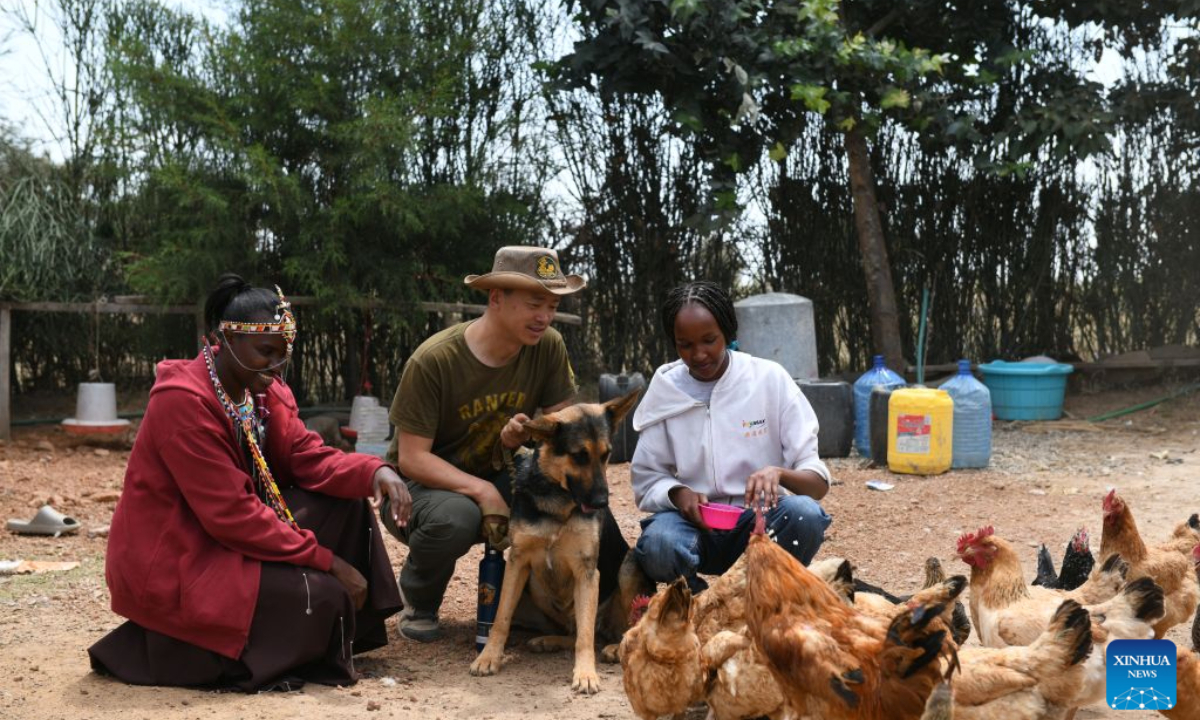
Living and working with Maasai communities changed that perspective. "The fate of wildlife was closely tied to the people sharing the same land," he said.
In the Maasai Mara ecosystem, livestock grazing is deeply connected to the livelihoods of pastoral communities. "If local people are asked to stop grazing but are given no alternative source of income, conservation cannot be sustainable," Zhuo said.
That principle laid the foundation for his work with the local community in establishing the Ol Kinyei Conservancy.
The area had suffered from prolonged overgrazing, with plants and the land itself deteriorating. Under the conservation model, local grazing land was leased and gradually restored, allowing vegetation to recover and creating a more suitable habitat for wildlife, said Zhuo.
Meanwhile, households participating in the scheme receive land-rental income and have access to jobs such as wildlife rangers and tourism workers. Their average annual income has increased from around 500 U.S. dollars to about 3,700 dollars, according to Zhuo.
Some residents from surrounding communities also learned from the experience and brought the approach back to their own grazing areas.
Nowadays, 26 private conservancies have been established around the Maasai Mara National Reserve, covering about 1,600 square km, according to Zhuo.
He believes the network of community conservancies provides additional safe space for wildlife to move and survive, extending conservation efforts beyond the boundaries of a single national reserve and into surrounding communities.
Simon Msago, a Maasai community leader in Ngoswani, said Zhuo's work encouraged more residents to take an active role in conservation.
In the past, many residents saw few direct benefits from wildlife conservation and had limited awareness of its importance. Today, community members are increasingly willing to work as rangers and protect wildlife, creating an effective layer of protection around the conservancies, Msago said.
"Human-wildlife conflict cannot be solved simply through restrictions and prohibitions. The key is to create alternative sources of income so that residents can gain tangible benefits from conservation," Zhuo said.
"That is what makes community-based conservation sustainable -- allowing local people to become part of wildlife conservation rather than bystanders with no stake in it."
While continuing his work in the Maasai Mara, Zhuo has also sought to strengthen exchanges between China and Africa in wildlife conservation.
In recent years, he has visited more than 30 nature reserves and national parks in China, sharing his experiences of community-based conservation in Africa with Chinese counterparts.
"Conservation practices in China and Africa each have their own characteristics, and there is much that the two sides can learn from each other," he added.
。

B |
Current article:http://gmv0v.pisezuibanzoukou.cyou/chwer/nbh3.html
Published on:18:44:05
我的网站最近更新
- 襄阳20岁女大学生定蓝选红中奖53万
- 键盘侠|有破绽库日天专杀天上之物 克火箭雷霆 不克湖人快船
- Nvidia图形驱动程序417.71更新:官方支持RTX 2060图形卡
- 优思益代工厂曾38次抽检均合格,撕开保健品行业“假洋牌”遮羞布
- Crane brought in to remove historic tree in England that was cut in act of vandalism
- 今年前7个月山东经济运行总体平稳
- US Pentagon official’s Manila speech exposes alliance fragility, with Philippines likely to bear costs of provocations: Chinese expert
- 接受采访时称皇社是跳板引球迷愤怒,皇社中场苏契奇致歉
- “燃点”电影观的影响:两个字,不燃点
- 엔씨, ‘게임스컴 2026’서 신작 3종 공개…글로벌 공략 본격 시동
- LUNA SEA真矢さん急死 妻・石黒彩 大きなショックの中で喪主務めた 闘病の夫を最後まで支え
- 广西首个大机智慧仿真实训平台投用 方寸实训舱驯服“钢铁巨兽”,广西首个大机智慧仿真实训平台投用 方寸实训舱驯服“钢铁巨兽”
- 坐船穿越水城的暮光中,你看见我
- 2026年度电影总票房突破275亿
- SSD价格太贵 Win11省点用吧:一个命令可节省大量C盘空间
- 杭州多个景区、场馆暂停对外开放
- 创业板指跌逾1%
- 内塔尼亚胡:伊朗想杀我儿子,差点得手;以媒称即使内塔尼亚胡在大选中落败,国家安全总局也会为他和家庭成员提供至少5年的保护
- 강원도 산업용 전기요금 8% 인하…정부·한전 지역 요금제 공개
- Unification Church slams Japan's dissolution request as a threat to religious freedom
- ST海龙:上半年归母净利润同比下降42.71%
- 两个建筑领域项目入选全市十大低碳应用场景
- हरियाणा में मानसून सत्र का आज अंतिम दिन: CM नायब सैनी पेश करेंगे अपराध पर कड़ा प्रस्ताव; क्या होगा खास?
- 腰が抜けました…年金月8万円・87歳父の通帳に〈現金引き出し800万円〉。興味本位で見た50歳次女、父の告白に愕然
我的网站热门资讯
- 福州闯入滑雪赛道 激活夏日“避暑经济”
- 原创 现在人们出去旅游,为啥越来越舍不得花钱?景区老板说出实情,原因很现实
- 伊朗总统:伊朗应摆脱“既非战争、也非和平”状态
- 摩尔线程公布万卡级集群训练成绩 称国产芯片可训出前沿模型
- Shenzhen's 'one-kilometer' supply chain draws global buyers for AI hardware
- 百岁山携手亚洲排联,以品质致敬新征程
- JetBlue plane tilts back after landing at JFK Airport but no injuries reported
- 推动空气质量从明显好转迈上好上加好、好而持久
- コーヒーはいつ飲むべき? エネルギー補給にベストなタイミングを栄養士が解説
- Ali Fazal Has FOMO As Girls Will Be Girls Sweeps Major Categories at The Filmfare OTT Awards 2025
- 给多少钱就打多少分!评审专家竟发“今天阳光明媚”暗号欢迎围猎
- 官方地图显示,诺基亚N9有望获得一份副本。
- 谢泼德休赛期完成增肌 被看好竞争最佳第六人
- ETF追踪丨8月24日ETF净申购190.71亿元 资金加仓科创50ETF华夏
- 42岁詹皇沦为背景!布朗训练肌肉照刷屏,满身腱子肉全是复仇战意
- 马来西亚公开赛第二日 国羽喜忧参半
- 股票带帽与摘帽:新规逻辑、真实细节与市场误区
- 三星预告与巴黎奢侈时尚品牌Maison Margiela的合作
- 全国每卖出3只箱包,就有1只来自这里!白沟太能“装”了!,全国每卖出3只箱包,就有1只来自这里!白沟太能“装”了!
- 市场监管总局公布经营者集中审查助力整治“内卷式”竞争典型案例
- Scheduled China-Europe freight trains cut travel time by over 30%
- VIRAL: Brooklyn Nine-Nine Star Terry Crews Congratulates Ranveer Singh for Dhurandhar
- 曾创吉尼斯纪录!百斤大西瓜上市 快递小哥直接用上爬楼机送货
- 2026中国国际福祉博览会将于9月举办 首设脑机接口专区,2026中国国际福祉博览会将于9月举办 首设脑机接口专区